Physical Health: The Standard You Can’t Afford to Lose
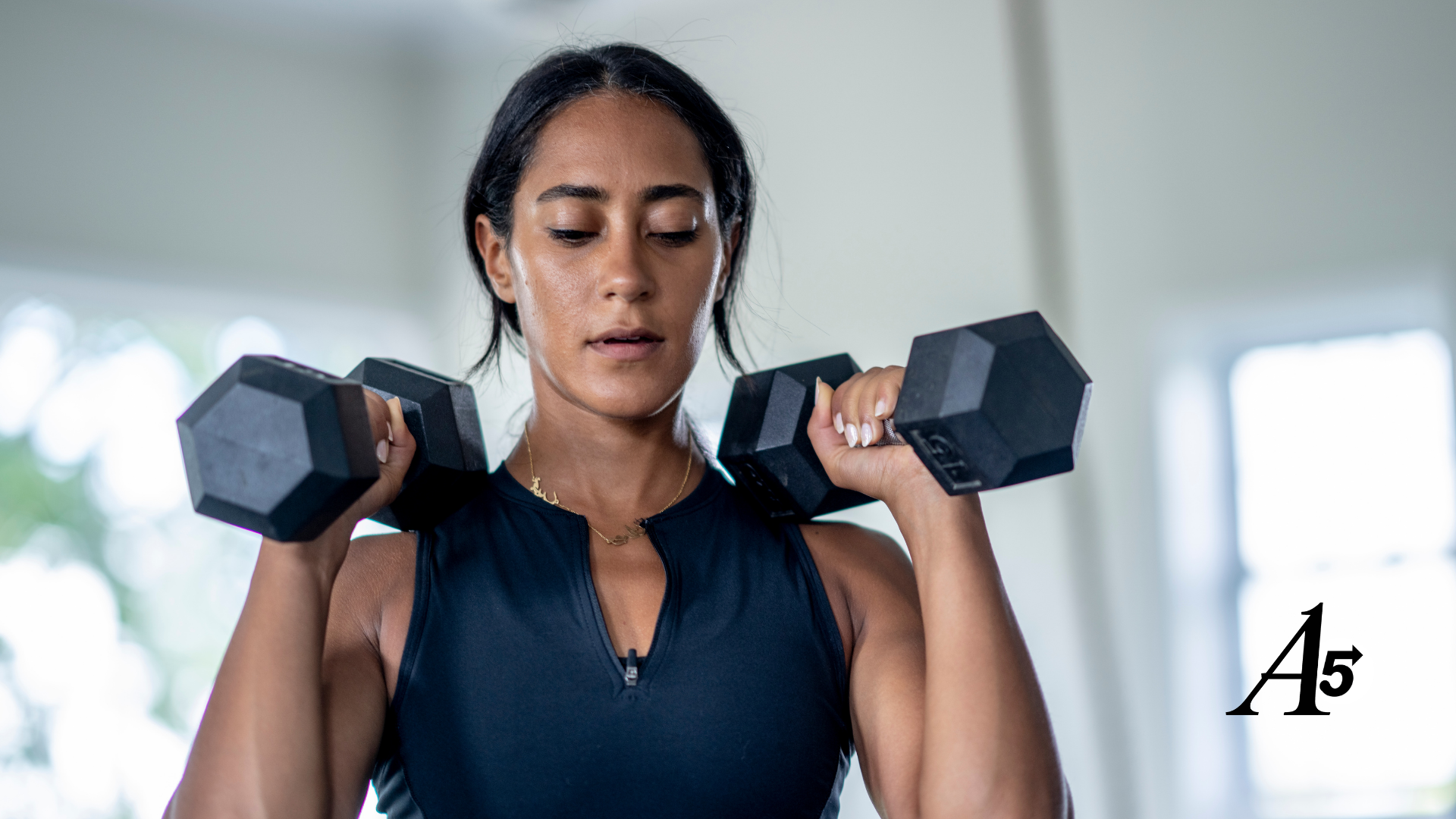
This is the third conversation.
At Athlete5, we are working through the five pillars that shape life after sport.
We started with Purpose.
We stepped into Mental Health.
Now we come back to something that has always been part of you.
Physical Health.
The quiet drop-off
It doesn’t happen all at once.
At first, you tell yourself you just need a break. At times it’s been too much anyway.
Then the structure fades.
The routine softens.
The intensity disappears.
And before you really notice it, the standard you used to live by is gone.
Maybe not completely.
But enough to feel it.
You don’t feel as sharp.
Your energy isn’t the same.
Your confidence takes subtle hits you can’t fully explain.
You were never just “working out”
This is where most people misunderstand athletes.
Training was never just about fitness.
It was:
Discipline
Identity
Release
Structure
Control
It was one of the few places where effort directly translated into outcome.
So when that disappears, it’s not just physical.
It’s foundational.
The data tells the truth
This isn’t just perception.
Former athletes can experience significant declines in physical activity levels within 1–3 years of retirement
Studies show increased risk of weight gain, cardiovascular decline, and metabolic issues post-career
Nearly 40% of retired athletes report difficulty maintaining consistent exercise routines once structured training ends
And it’s not because they lack discipline.
It’s because the environment that supported that discipline no longer exists.
Why it gets harder after sport
Here’s the reality most people don’t say out loud.
Life gets full.
Career.
Family.
Responsibility.
Fatigue.
And without realizing it, physical health becomes optional.
Something you’ll “get back to.”
Something you know matters, but don’t treat like it used to.
And that’s where the shift happens.
The cost of letting it slide
You don’t just lose fitness.
You lose:
Energy
Mental clarity
Emotional stability
Confidence in your own discipline
Physical health is not isolated.
It is a domino.
When it falls, other things follow.
Research consistently shows that regular physical activity is linked to:
Reduced symptoms of anxiety and depression
Improved cognitive performance
Better sleep quality
Increased long-term life expectancy
This is not about aesthetics.
This is about how you function.
The standard has to change, not disappear
Here’s where a lot of former athletes get stuck.
They compare their current reality to their peak.
And when it doesn’t match, they disengage.
That’s the wrong move.
You don’t need your old routine.
You need a new one that reflects your current life, while maintaining the same level of intentionality.
What actually works now
Not perfection.
Consistency.
Start here.
1. Make it non-negotiable again
In sport, training wasn’t optional.
Now it is.
That’s the problem.
If physical health stays optional, it will always lose to something more urgent.
Schedule it.
Protect it.
Treat it like something that cannot be moved.
Because it shouldn’t be.
2. Lower the barrier, not the standard
You don’t need two-hour sessions.
You need consistency and intentional movement:
Strength
Cardio
Mobility
Done consistently beats intensity done occasionally.
3. Train for life, not just performance
Your goals have changed.
Your training should reflect that.
Focus on:
Longevity
Injury prevention
Energy
Functional strength
This is about building a body that supports your life, not just your sport.
4. Reconnect effort to identity
You used to take pride in how you trained.
That doesn’t have to go away.
Start identifying again as someone who:
Shows up
Follows through
Maintains a standard
That identity shift matters more than the program itself.
5. Stack small wins early in the day
Physical activity early in the day creates momentum.
It sharpens your thinking.
It stabilizes your mood.
It reinforces discipline.
It’s not just a workout.
It’s a signal.
The shift that changes everything
Physical health is not something you “get to” later.
It is something that makes everything else possible.
When you take care of your body:
You think clearer
You move better
You show up stronger
And most importantly, you feel in control again.
Where this goes from here
You can rebuild this on your own.
But most athletes don’t struggle with effort.
They struggle with direction.
That’s where structure matters.
That’s where clarity matters.
That’s where the Athlete5 Blueprint comes in.
Not to tell you to work out.
But to help you understand how to operate at your best across every pillar, and rebuild a standard that actually fits your life now.
If you’re ready to re-establish that standard, the Athlete5 Blueprint is your next step.